Back Bay Chorale marks 50 years with reverence and a dash of operatic pizzazz
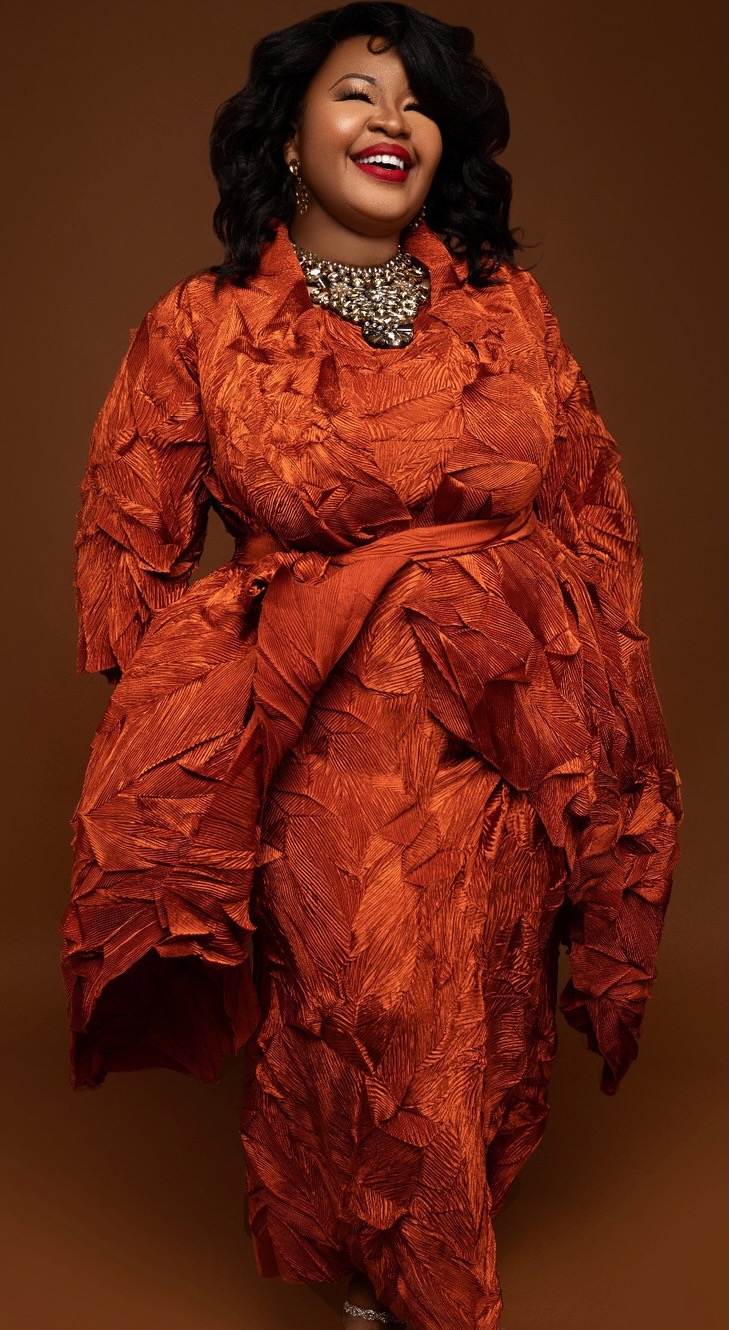
Soprano Karen Slack joined the Back Bay Chorale to open their 50th anniversary season Saturday night at Old South Church. Photo: Kia Caldwell
Opening with the gauzy halo of Rachmaninoff’s “Bogoroditse Djevo,” the Back Bay Chorale ushered its near-capacity audience into a hushed reverence which continued mostly unbroken for ninety minutes at Old South Church.
Saturday night’s season-opening program of choral mainstays, operatic favorites, and lesser-known gems, led by music director Stephen Spinelli, ambitiously marked the ensemble’s 50th anniversary, largely successfully, despite some issues in programming and musical balance.
The opening portion of the concert centered on sacred works, and was entirely a cappella save for Brahms’ Geistliches Lied, which introduced Old South Church’s Skinner organ in whispered accompaniment. Though perhaps the best showcase of the choir’s musical strength, the overall solemnity of then accompanied works seemed somewhat detached from the evening’s celebratory heart. It was with welcome relief that Alice Parker’s “Hark, I Hear the Harps Eternal” rose like a buoyant sun over the nighttime landscape that had preceded it.
The introduction of guest soprano Karen Slack brought a palpable expectancy to the proceedings as she strode to the front of the church in a resplendent scarlet dress. Slack’s theatrical presence spoke volumes before a single note sounded.
The opera singer possesses a powerful instrument which she wields with such poise and deftness—at one instant lush and velvety, at the next clear and penetrating. In two songs by Florence Price, featured in her Grammy-winning album, she sang “Desire” and “Winter Idyl” with a desperate sense of longing. Especially in the latter, Slack’s dramatic nature was on full display.
But it was later in the program with “Tu, tu, piccolo iddio” from Puccini’s Madama Butterfly that Slack’s breadth of expression could be truly witnessed. Effortlessly alternating between powerful long-tones and breathy, half-voiced pleas, Slack demonstrated an emotional agility which was spellbinding.
Following Price’s more Romantic works, excerpts from the Requiems of Mozart and Brahms shifted the program back to its original sacred atmosphere and pathos, now with the chamber orchestra joining the choir.
Under Spinelli’s baton, the instrumentalists blended magnificently with the choir; their fullness and expression was notable—especially in the introduction of Verdi’s “Va, pensiero” from Nabucco.
At times the soprano and alto voices, which far outnumbered their tenor and bass counterparts, overpowered the male choruses, especially during louder moments,
Though the Brahms German Requiem excerpts (fourth and fifth movements) maintained a nice energy and tempo throughout, they especially suffered from this imbalance—lacking the more tender and intimate solace the music required.
In a concert celebrating the Back Bay Chorale’s anniversary, cohesion suffered at times with 16 different works on the program, and a better ordering of the items could have given the concert a more discernible arc. Price’s works and the operatic numbers were awkwardly bisected by the sacred requiems, while the Brindisi from La Traviata, felt jarringly out of touch thematically with the rest of the concert.
Nevertheless, Back Bay Chorale should be tremendously proud of their season-opener. When the combined forces of choir, orchestra, and Karen Slack unleashed the joyful final strains of Margaret Bonds’ “Sit Down, Servant” into the rafters of Old South Church, it made a triumphant coda to this celebratory milestone for one of Boston’s most beloved and venerable music ensembles.
The Back Bay Chorale will present “A Boston Christmas” December 19 and 20 at Old South Church. bbcboston.org
Stephen Caldwell is a composer, illustrator, educator, and arts administrator who has called Boston home for the past two years.
Posted in Performances
Leave a Comment
 Subscribe via RSS.