Boston Artists Ensemble opens season with turbulent Beethoven, sunny Wheeler
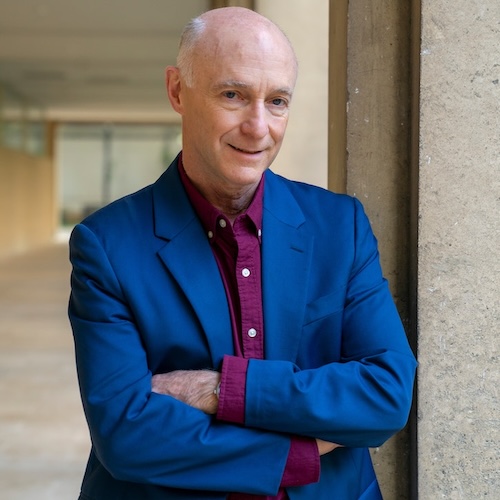
Scott Wheeler’s Insomnia Flowers was premiered by Boston Artists Ensemble Sunday afternoon in Brookline.
Wit, Nietzsche once offered, is the epitaph of an emotion. Who would have guessed that the quip, from a discussion of morality in Beyond Good and Evil, might help illuminate a Beethoven string quartet?
Yet on Sunday afternoon it did just that, shining an unexpected light on the grand finale of the Boston Artists Ensemble’s season-opening concert at St. Paul’s Church in Brookline.
The work in question was the composer’s Opus 95, twenty minutes of seething turbulence in (mostly) F minor that ends with a sudden, completely unexpected blast of giddy F major. What is one to make of this coda? Is it merely the ultimate play of contrasts? Had Beethoven run out of ideas for a fitter ending? Or was he making a good joke?
The rigor of the larger work, emphasized on Sunday by the locked-in playing of the BAE ensemble—violinists Lucia Lin and Kina Park, violist Danny Kim, and cellist Jonathan Miller—negates the possibility of any creative deficit on Beethoven’s part. To be sure, this was a performance of taut focus, impellent direction, and characterful exactitude that underlined the composer’s extraordinary distillation of form and content in this music: not a note is wasted.
Nor are any gestures, from the first movement’s whirling curlicues to the second’s tentative melodic phrases and the Allegro assai’s snapping mottos. In this group’s hands, every turn and fillip held expressive meaning. Indeed, the intensity of the afternoon’s reading, especially across the finale’s tempestuous swells and stark contrasts of dynamics, emphasized the intentionality of each of Beethoven’s compositional decisions.
That left the jesting option and opened the door to Nietzsche. Perhaps Kafka, too: the absurdity of the epilogue, given the musical context, possesses a decidedly contemporary slant. Or maybe it’s just timeless. Regardless, on Sunday this bizarro thirty seconds-or-so of music served to highlight, even more than usual, the depths that had just been plumbed.
By contrast, the afternoon’s premiere, Scott Wheeler’s Insomnia Flowers, was a picture of sunshine and light. True, the 18-minute-long score for violin, cello, and harp—which was commissioned by cellist Miller and Diane Fassino—includes some meditative elements. But it’s mostly enchanting and whimsical (the title, for instance, references the composer’s habit of scribbling down musical ideas in the wee hours and tending them like a gardener later in the morning).
In the opening “Mountain Jasmine,” widely spaced interjections coalesce into gracefully dancing patterns amid a series of solo cadenzas for each member of the ensemble. The central “Candlewood” is fleet and scherzo-like, marked by genial figurations that call to mind fireflies darting about on a summer’s night. Meanwhile, “Palace Gardenia” offers episodes of warm lyricism set against a vaguely Copland-esque backdrop.
Sunday’s performance, which was conducted by the composer, featured exquisite fingerwork from harpist Lishan Tan—her little bursts of filigree at the start of the finale were particularly vivid—and robust contributions from Miller and violinist Lin. Aside from a hiccup at the start of the second movement that caused a pause and a restart, the ensemble seemed to have Wheeler’s involved writing well in hand. Afterwards, composer and musicians reaped a warm ovation.
Bohuslav Martinů’s Duo No. 1, which opened the afternoon, had more than a little in common with Insomnia Flowers. Completed in 1927, the effort sounds like something Bartók might have written in a happy moment: its two movements are fresh, rhapsodic, and freely dissonant but hardly abrasive.
Sunday’s rendition from Lin and Miller began hesitantly but eventually found its footing. Led by the violinist, who reveled in Martinů’s idiomatic writing (he was a violinist by training), the pair didn’t quite overcome the score’s unevenness—the second-movement cello cadenza, for one, is overlong, if not entirely superfluous. But they capably drew out the music’s conversational aspect and droll spirit.
The Boston Artists Ensemble plays music by Schumann and Brahms at Hamilton Hall in Salem at 8 p.m. on November 7. BostonArtistsEnsemble.org
Posted in Performances
Leave a Comment


 Subscribe via RSS.